They Had the Vision. They Had the Space. But Opening a Business Takes More Than Both.
NO RUSH COFFEE + COCKTAIL LOUNGE | GREENSBORO, NC
THE WORK
Operations + Marketing Strategy · Pre-Launch Infrastructure · Brand Activation · Customer Journey · Website + Email · Launch Strategy · Project Management
No Rush started with a clear vision:
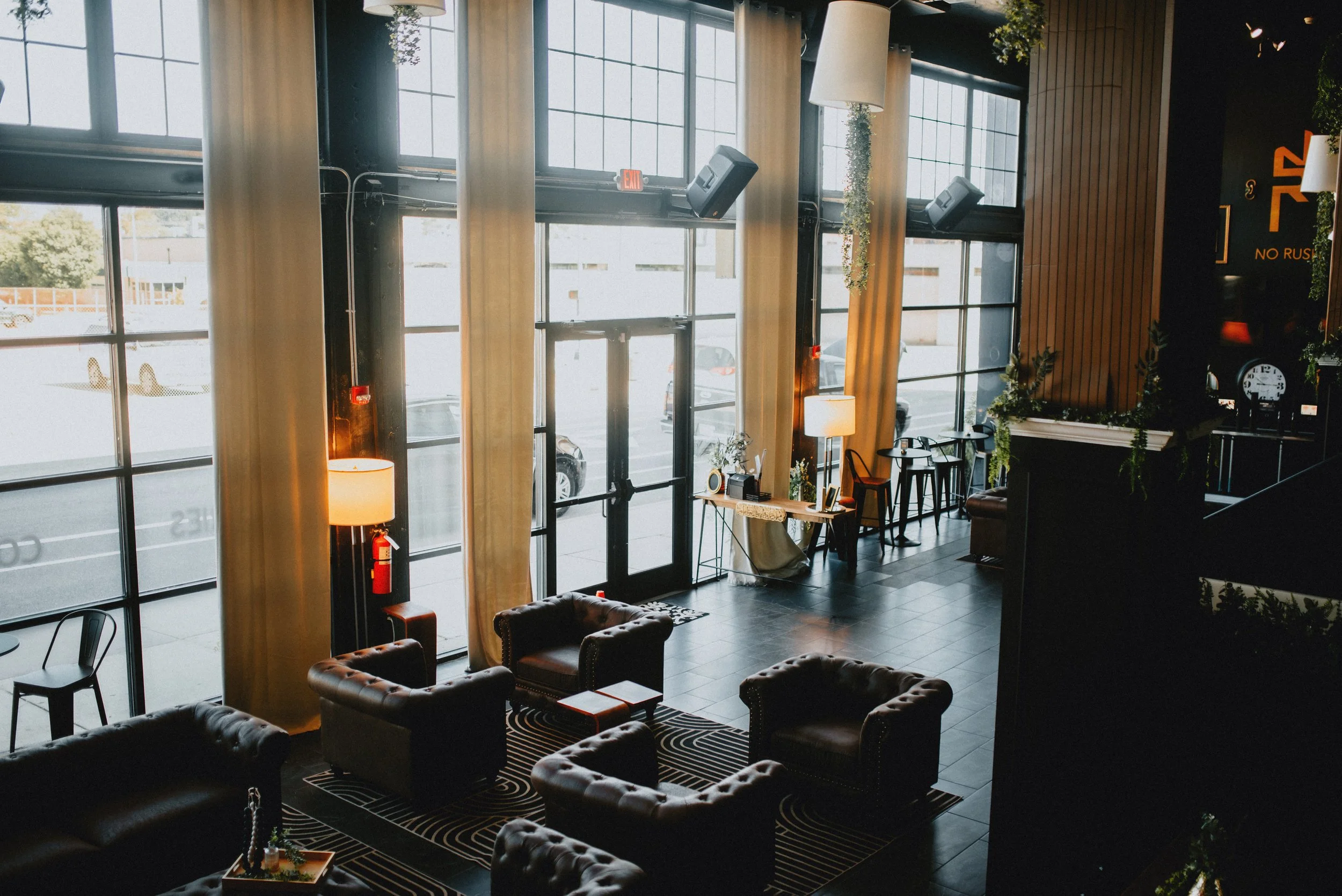
Create a place in Downtown Greensboro where people could slow down.
Coffee in the morning. A place to work during the day. Cocktails in the evening. Community woven through all of it.
Lee and Jamisa knew what they wanted No Rush to feel like.
But turning a vision into a functioning business people can actually walk into requires a completely different layer of work.
There were vendors. Menus. Staffing. Systems. Customer touchpoints. A website. Email. Launch communications. Events. Signage. Content. Opening logistics.
And all of it had to eventually point toward the same thing:
Opening the doors.
A Brand Can Look Ready Long Before the Business Is.
Before No Rush ever served its first customer, there were hundreds of decisions happening behind the scenes.
And because the physical space was still being completed, the timeline wasn't always predictable.
Construction and building delays shifted dates. Decisions had dependencies. Some things couldn't happen until other things were finished.
Meanwhile, the marketing couldn't simply wait.
People needed to know No Rush was coming.
An audience needed to be built.
The customer experience needed somewhere to begin before there was even a front door to walk through.
So we started building the business around the space while the space itself was still being built.
Before opening day could be marketed, there had to be something behind the marketing.
So We Built From the Inside Out.
My role with No Rush wasn't simply to “do the marketing.”
I came in as an Operations + Marketing Strategist—helping connect what was happening behind the scenes with what customers would eventually experience in front of them.
That meant looking at the entire journey:
Discovery → Interest → Visit → Experience → Return → Community
And then looking at what had to support it:
Operations → Systems → Website → Email → Content → Launch → Customer Experience
Because a grand opening can bring people through the doors.
The infrastructure determines what happens after they arrive.
Before We Launched No Rush, We Built Somewhere for the Audience to Go.
There was interest in the brand before the business officially opened.
We needed to capture it.
So instead of relying solely on Instagram to hold that attention, we created the digital infrastructure around the launch.
A landing page gave No Rush an online home.
Email capture gave interested customers a way to stay connected.
Website messaging translated the concept into something people could understand.
And content began introducing not only what No Rush was, but what it could become for the community.
We weren't just announcing a coffee shop.
We were building the audience before opening the doors.
Then Opening Day Got Closer. And Strategy Became Execution.
As the physical space came together, the work changed.
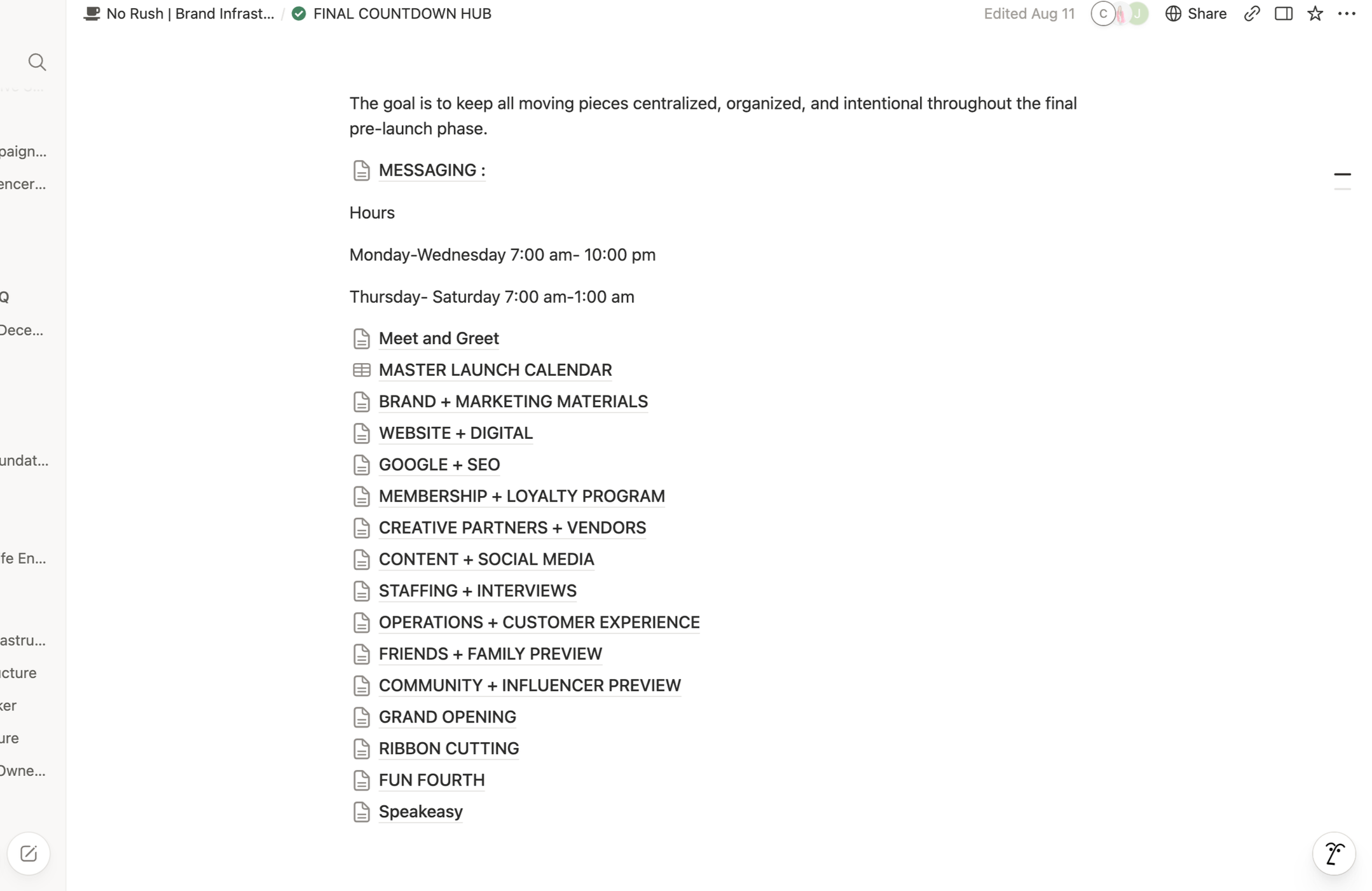
The big-picture strategy became a countdown.
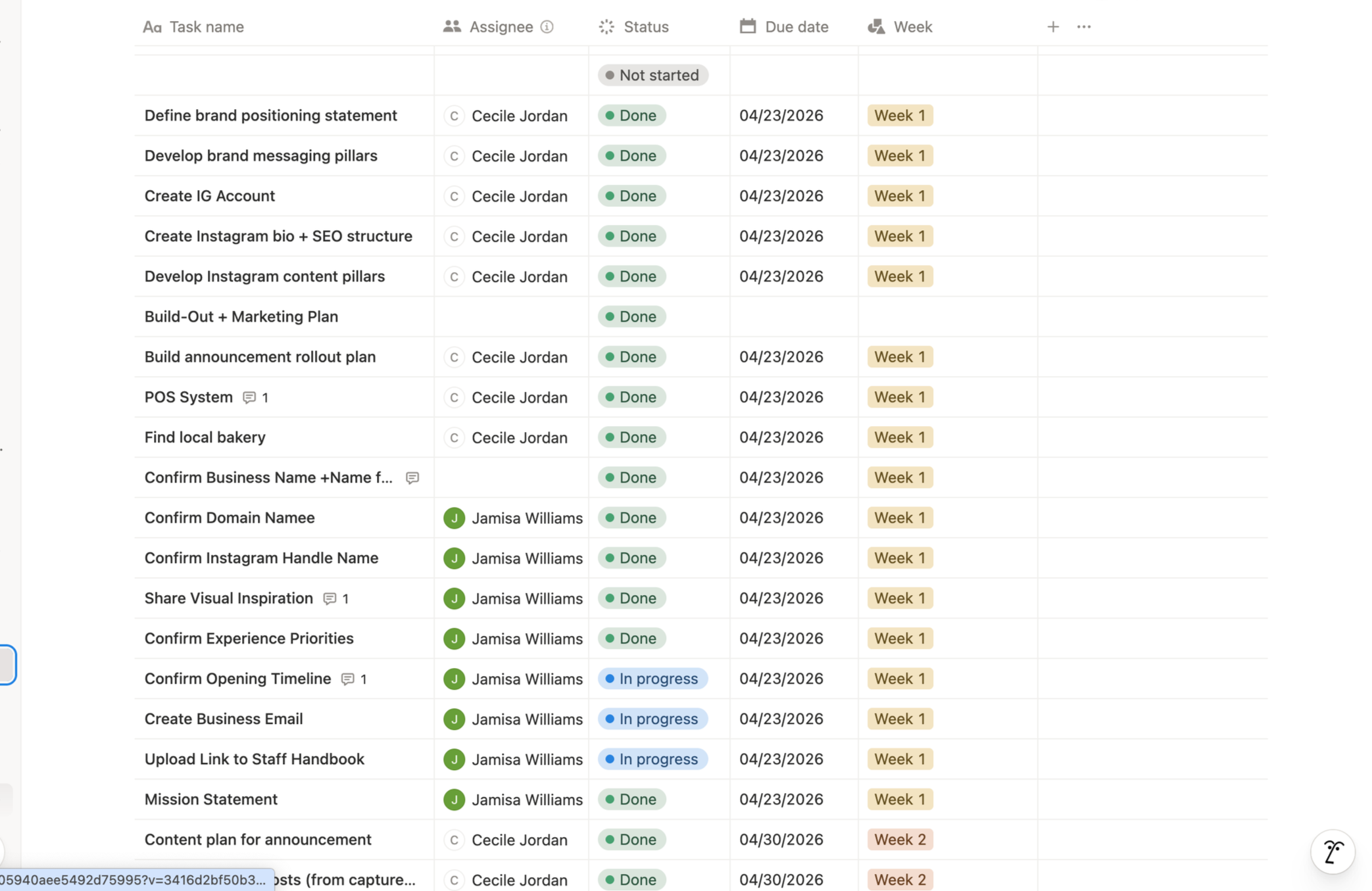
Menus had to be finalized.
Print collateral needed direction.
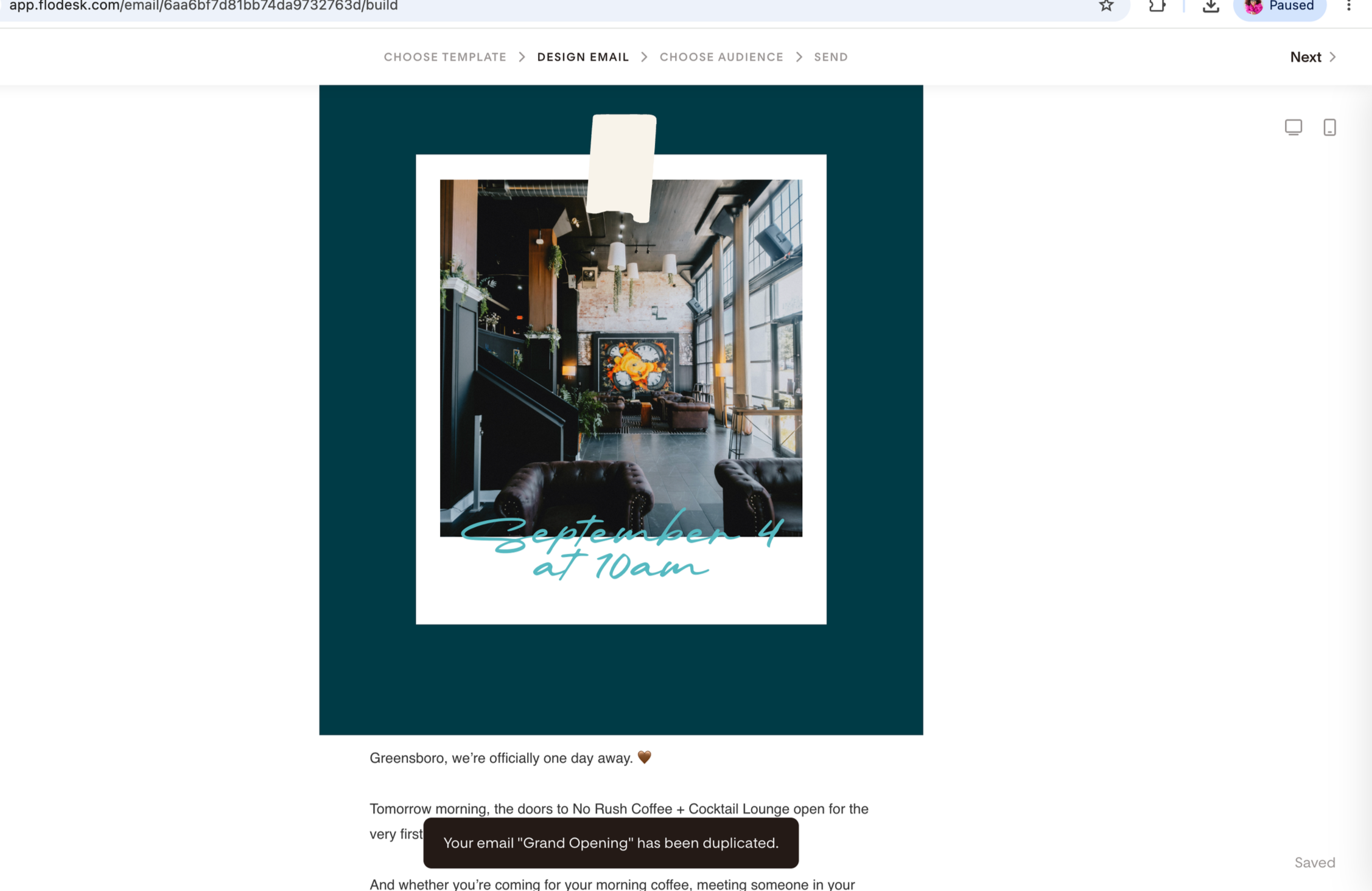
The website needed to be ready.
Email communication had to go out.
Content needed to shift from coming soon to here's when you can actually come.
Soft-opening plans needed structure.
Grand-opening coverage needed a plan.
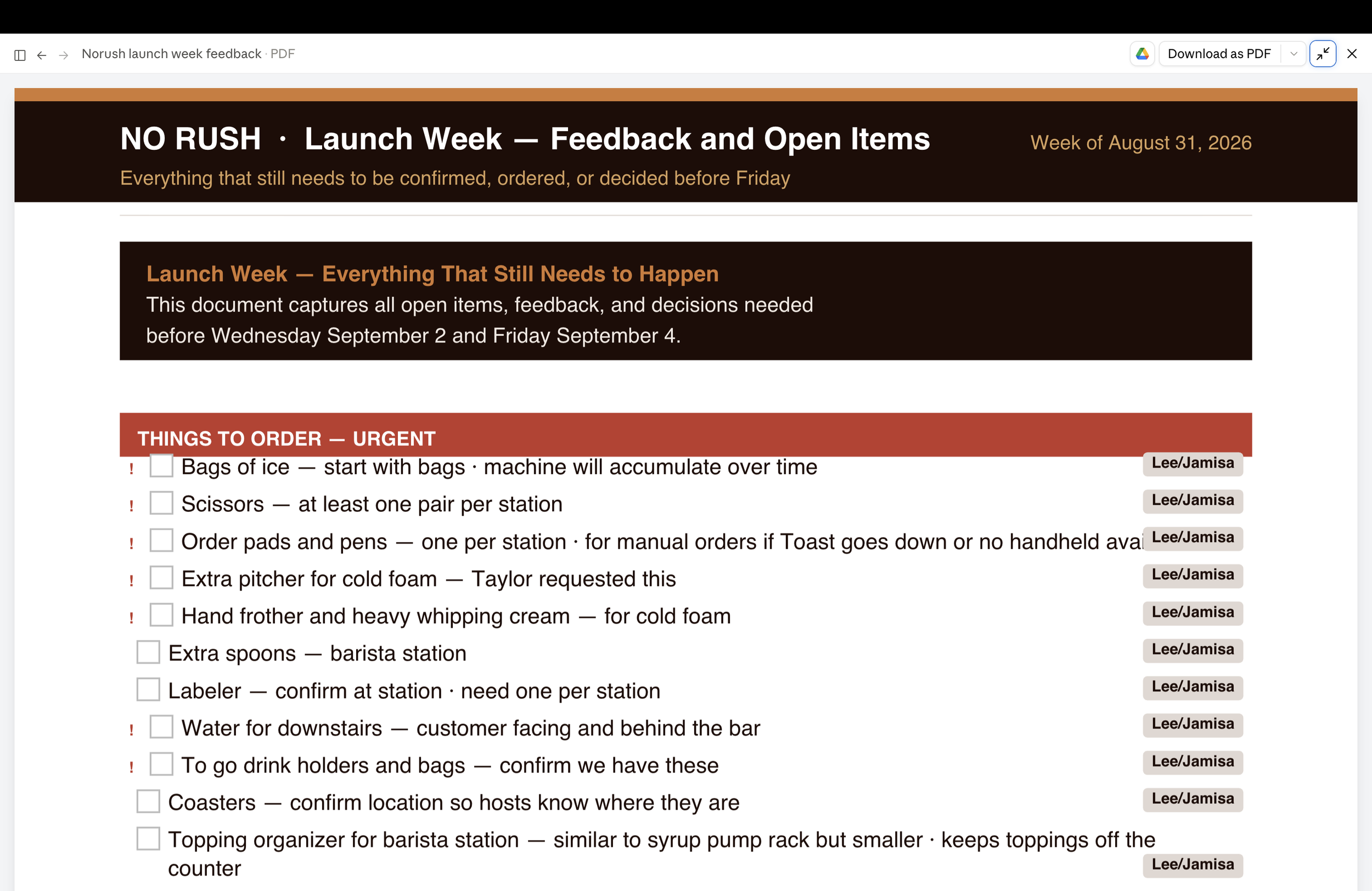
And dozens of small decisions suddenly became time-sensitive.
This is the part of launching a business people rarely see.
Eventually, every idea needs an owner, a deadline and a decision.
And Then We Opened the Doors.
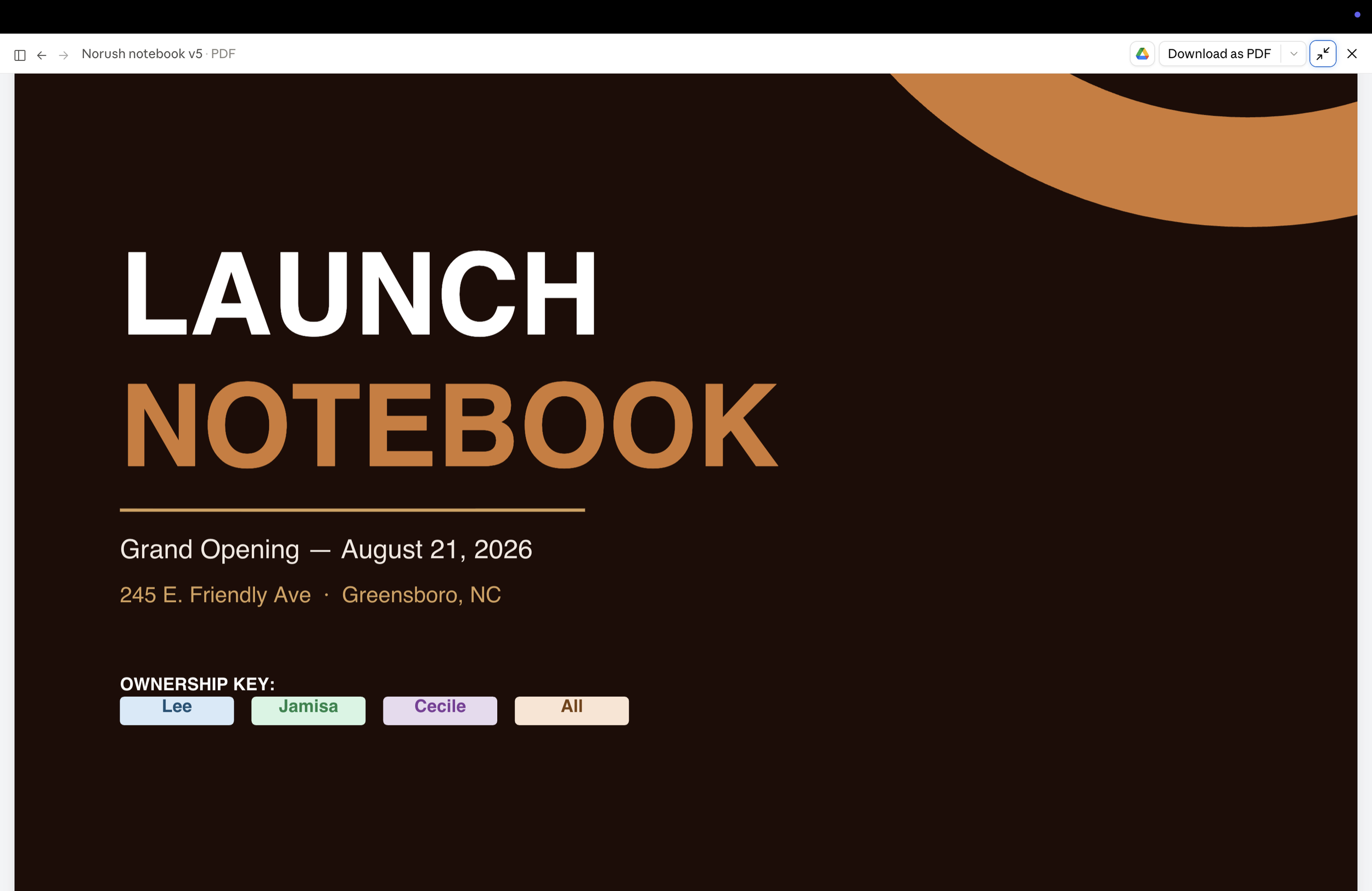
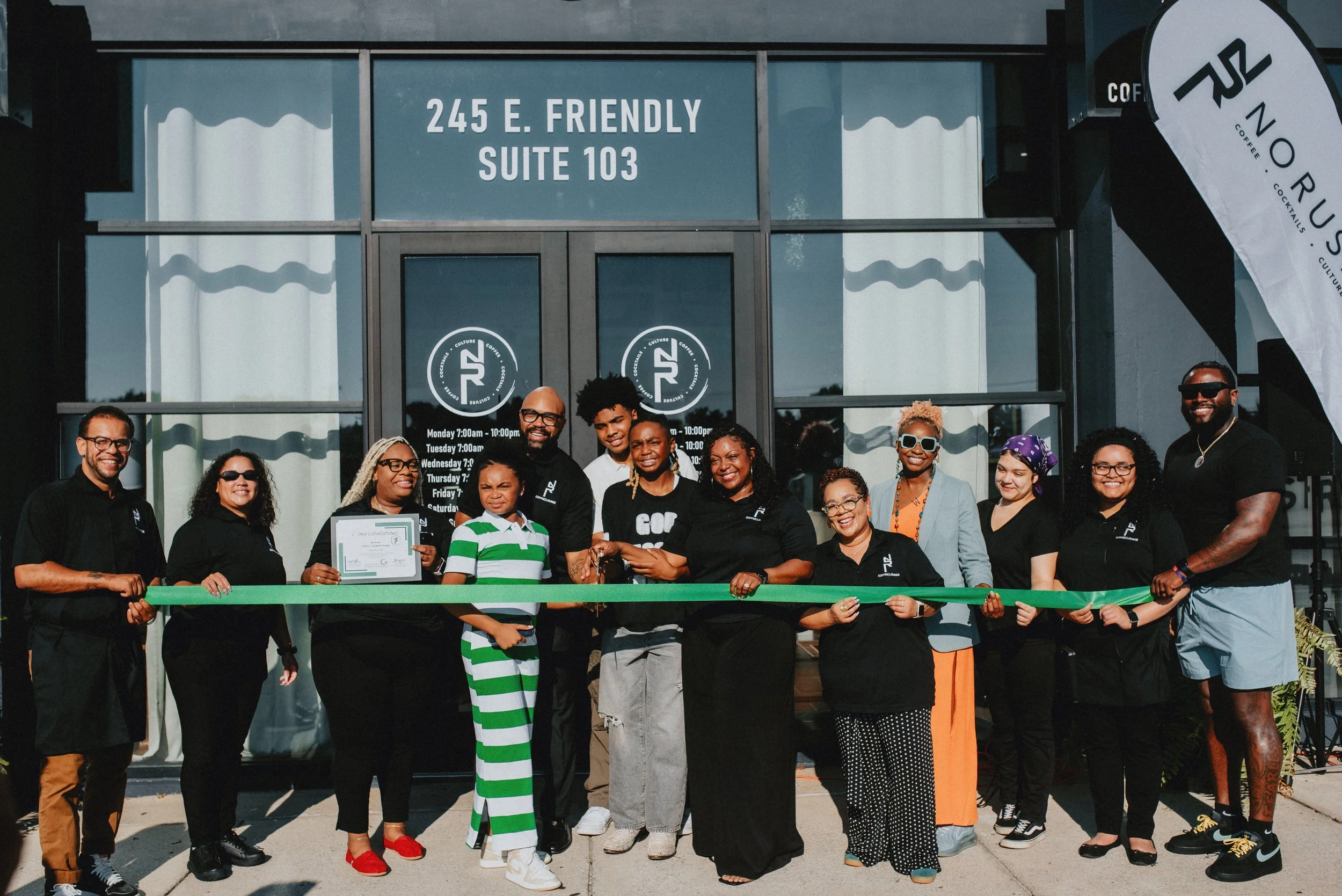
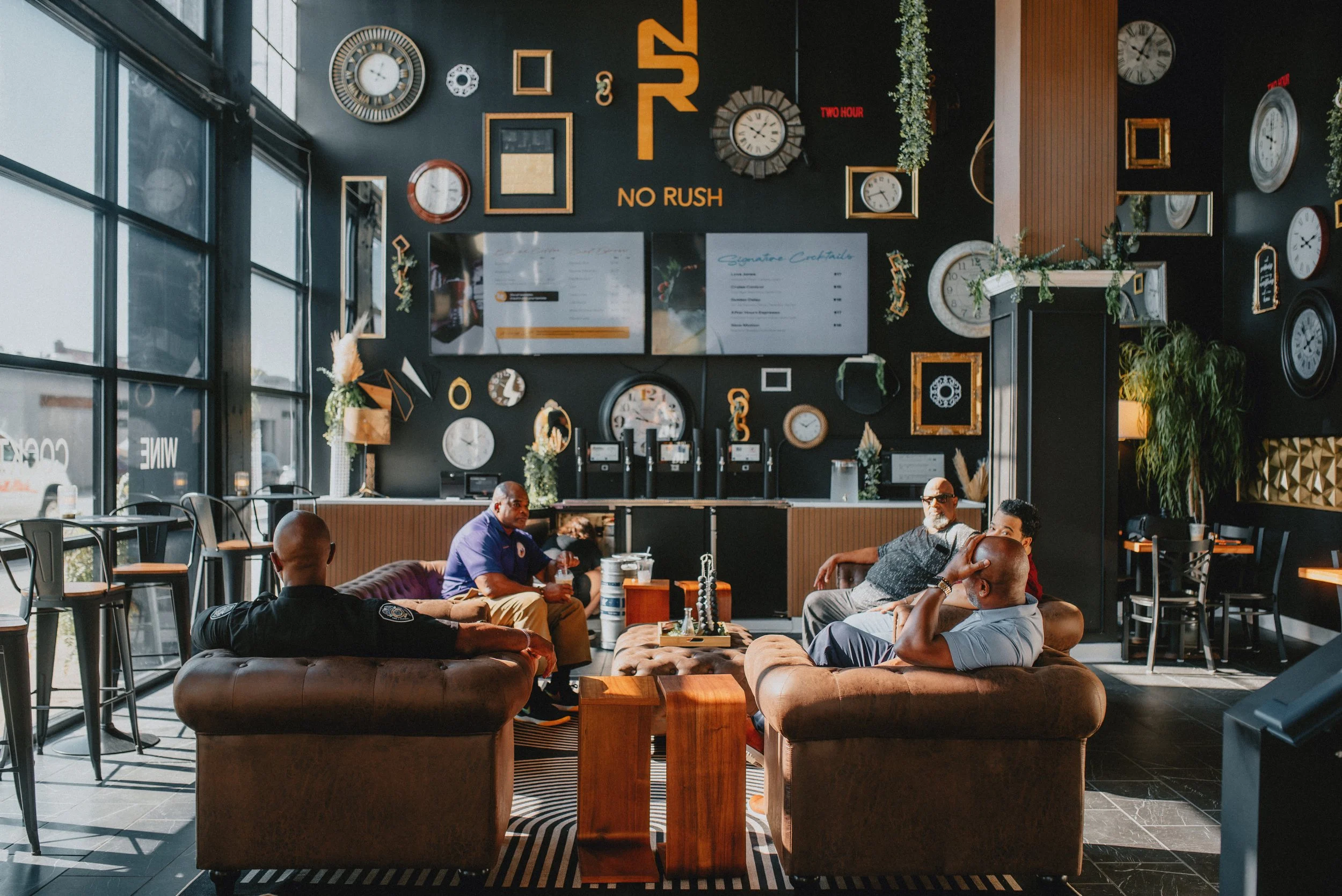
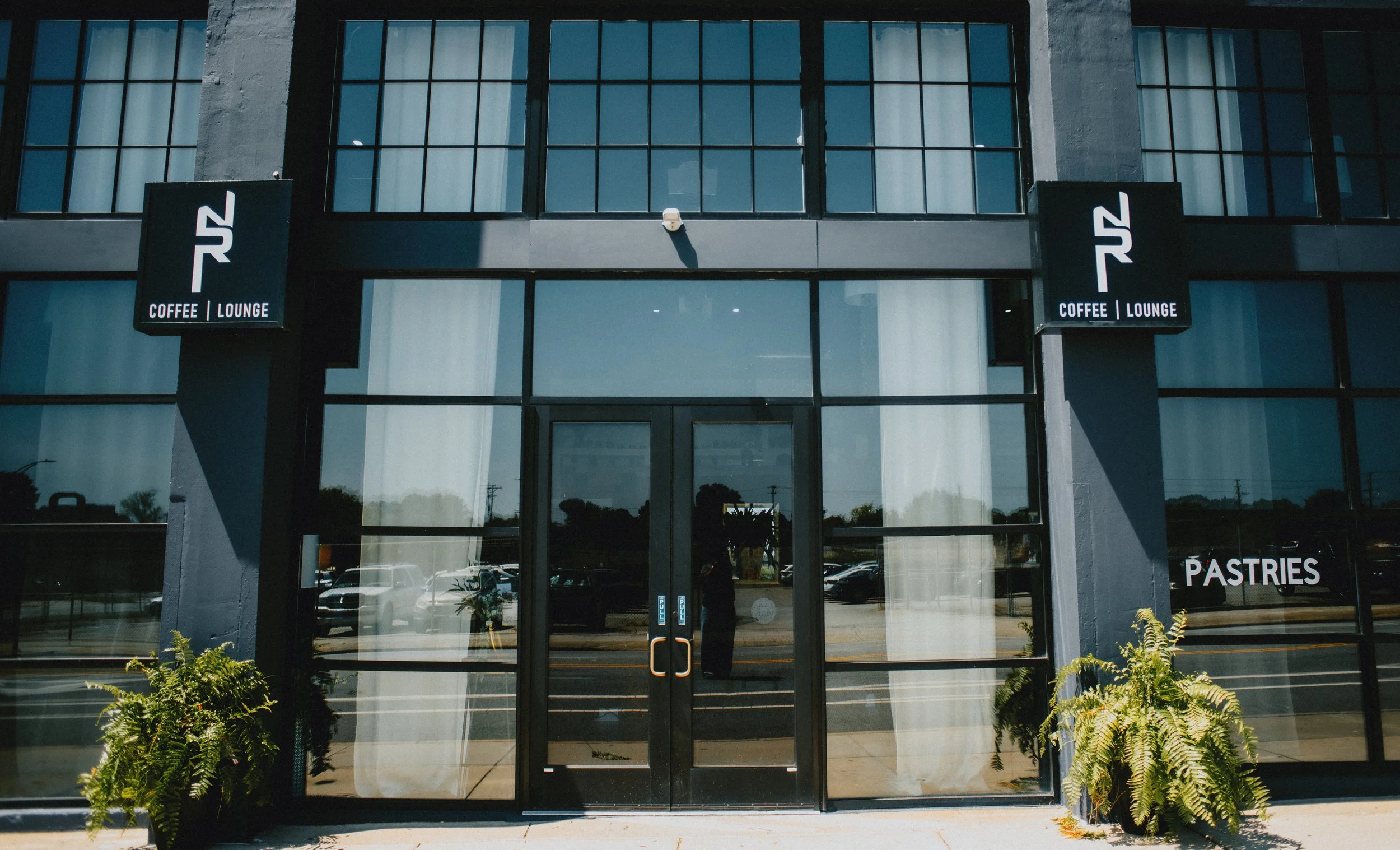
No Rush officially opened its doors in Downtown Greensboro.
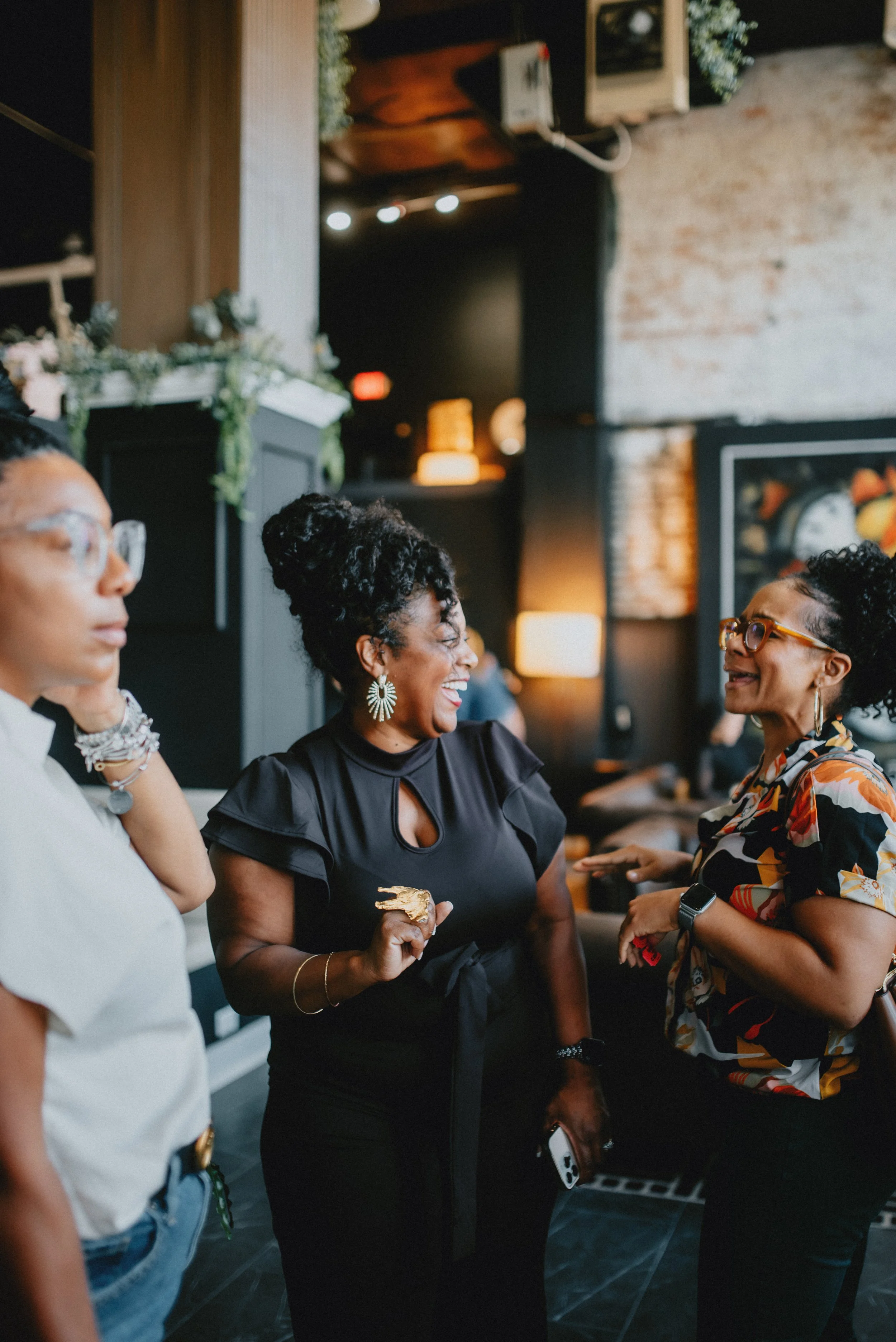
And the community showed up.
Not just for coffee.
Not just for cocktails.
But for the space.
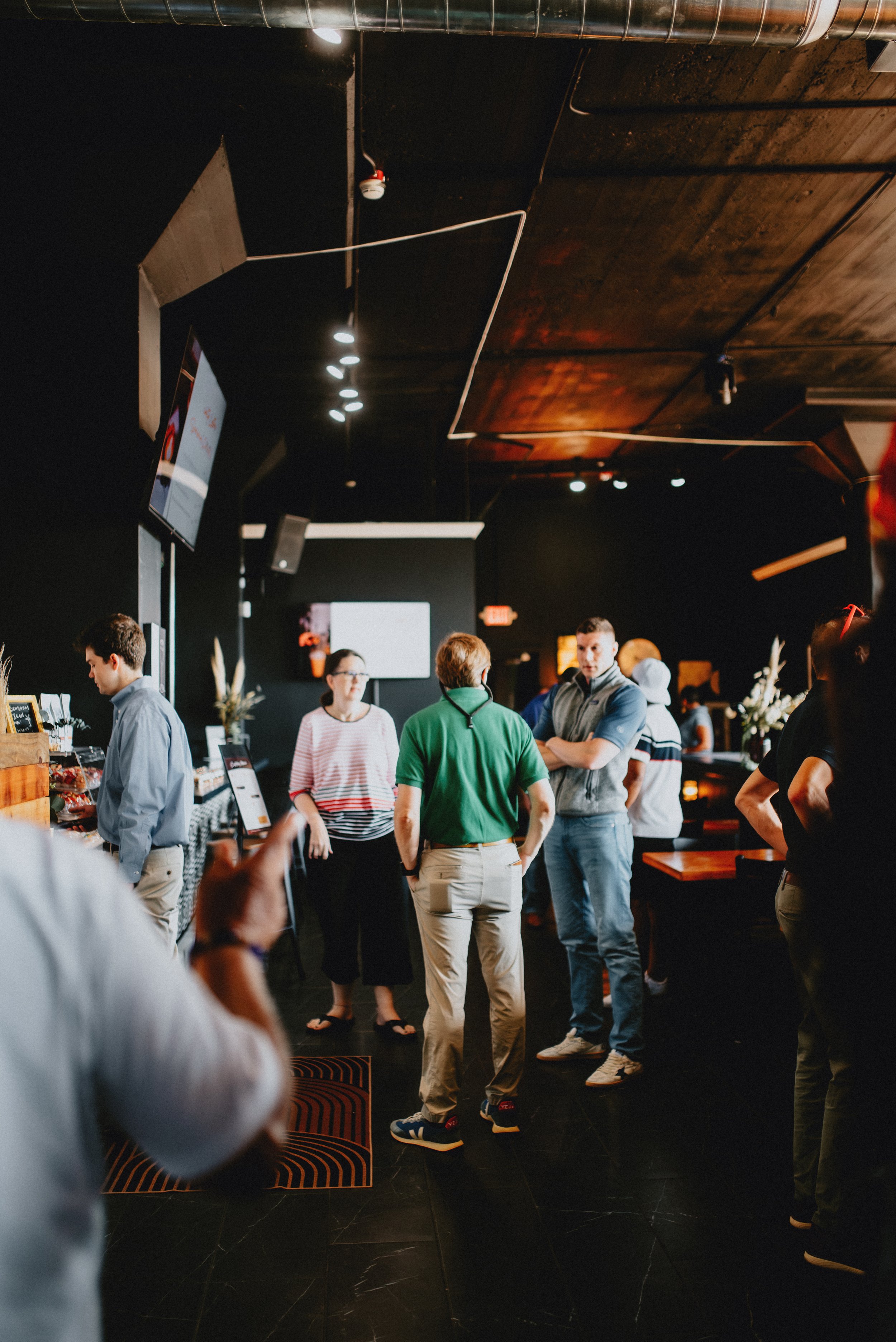
People worked from laptops during the day.
Friends met for drinks.
Customers explored the lounge.
The community photographed it, tagged it, shared it and started telling other people where they had been.
The brand we had spent months talking about online had become something people could finally experience in real life.
What Did We Actually Build? More Than a Launch.
01 — We Took No Rush From “Coming Soon” to Open Doors.
The timeline changed, but the brand couldn't disappear with it. We kept building momentum toward launch while the physical space caught up.
02 — We Built the Digital Front Door Before the Physical One Opened.
Website, email capture and customer-facing messaging gave curiosity somewhere to go beyond social media.
03 — We Created Structure Around the Launch.
Timelines. Responsibilities. Deliverables. Decisions. Follow-ups. Calendars.
This wasn't one post announcing a date. It was a coordinated operational and marketing rollout.
04 — We Turned a Concept Into a Customer Experience.
“Coffee + cocktails” explained what No Rush sold. We built the messaging and customer journey around why people would stay: to pause, connect and feel part of a community.
05 — The Community Started Marketing It, Too.
Once the doors opened, customers started sharing No Rush themselves—through tags, stories, photos, recommendations and word of mouth.
06 — Opening Day Wasn't the Finish Line.
Once the launch ended, the question changed from “How do we get people excited about No Rush?” to:
How do we turn excitement into repeat behavior?
That is much tighter without losing the substance.
How do we turn excitement into repeat behavior?
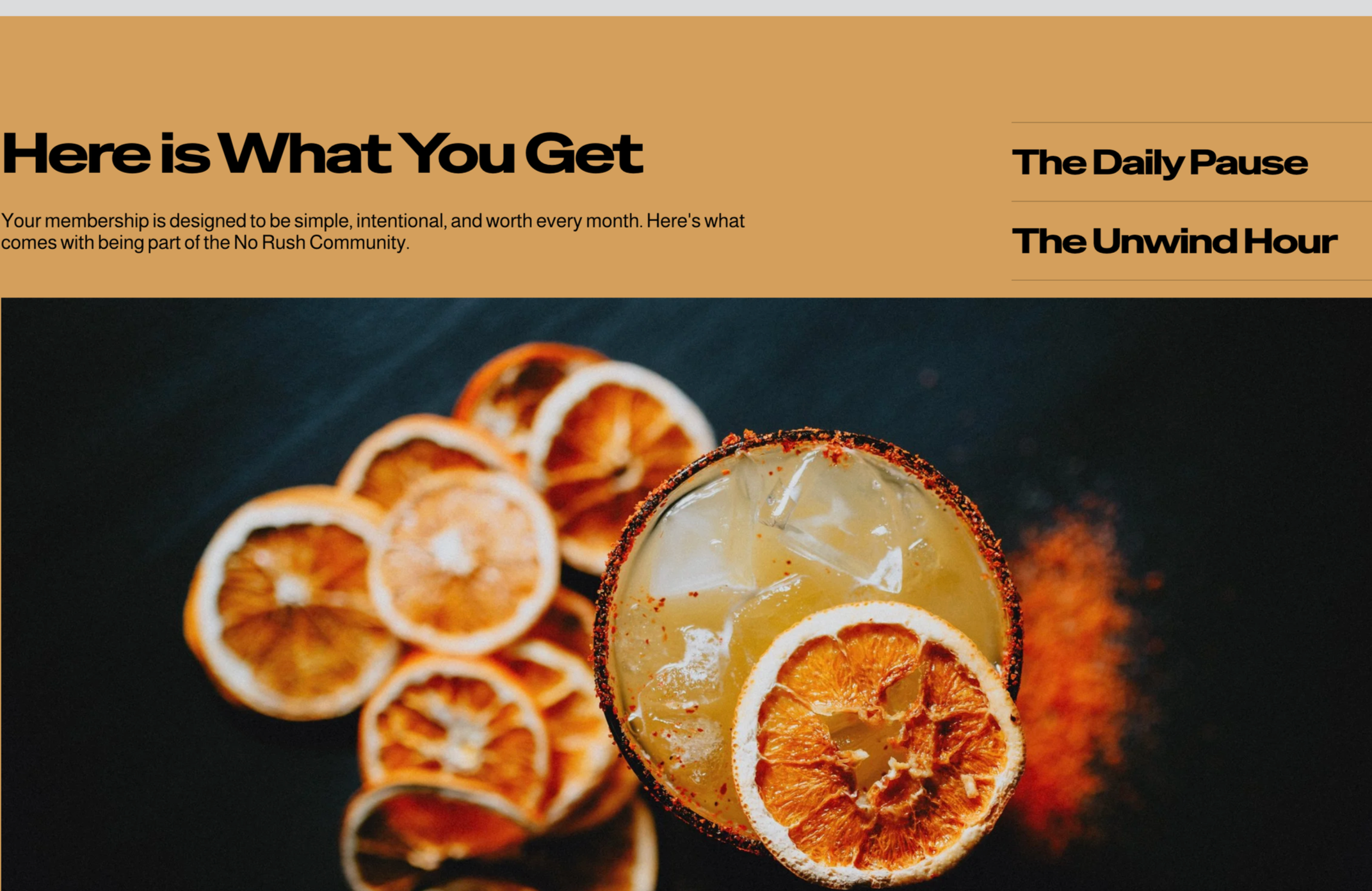
That meant continuing to develop the customer experience through ongoing marketing, email communication, memberships, community programming and clearer ways for customers to make No Rush part of their routine.
The Result Wasn't Just a Successful Grand Opening.
It was a business people had already begun forming a relationship with.
They came for coffee.
They brought their laptops.
They stayed for cocktails.
They brought friends back.
They shared the space online.
And No Rush began becoming what Lee and Jamisa originally imagined:
a place people could make their own.
Because Opening the Doors Was Never the Whole Job.
You can have the logo.
You can have the location.
You can have the furniture, the menu and the product.
You can even have people excited to come.
But eventually, all of those pieces have to become one functioning business.
That's the work I did with No Rush.
Not simply marketing what they built.
Helping build the infrastructure that allowed the vision to become something people could actually experience.
Because a launch can create attention.
Infrastructure gives that attention somewhere to go.